Published October 2, 2024 | Updated October 8, 2024
The Borough of Bath contains a portion of the Monocacy Creek. During times of inclement weather, the Monocacy Creek has been known to overspill its banks and can cause significant flooding to Borough properties. This webpage is designated for property owners that live along the Monocacy Creek who may experience flooding and need access to NFIP information.
Floodplain Basics
The floodplain is the area of land near a waterway which floods when the waterway is carrying a large volume of water than normal. Some floodplains are wide while others are narrow. Some floodplains experience frequent flooding while others are very infrequent.
Flood Insurance Rate Maps (FIRM) depict areas of flood risk. These maps were created as part of the NFIP, which is managed by the Federal Emergency Management Agency (FEMA). The Borough is a participating community in the NFIP. The NFIP offers insurance to citizens located in flood prone areas. Visit the Flood Map Service Center for more information.
Floodplains provide beneficial natural functions that help improve and protect water quality. Floodplains provide natural storage and conveyance of flood waters and can reduce the severity and frequency of floods. Floodplains help maintain biodiversity and integrity of ecosystems for fish and wildlife. In addition, they help improve water quality through filtering nutrients from runoff and reduce stream bank erosion and sedimentation.
BEFORE IT FLOODS
- Find out if your property is in a designated flood zone. See maps below.
- Why buy flood insurance? Homeowners’ and renters’ insurance do not typically cover flood damage.
- Purchase flood insurance. Flood losses are rarely covered under renters’ or homeowners’ insurance policies. Typically, there is a 30-day waiting period for flood insurance to become active under a new policy. Take the time to understand your flood insurance policy.
- Avoid building in a floodplain unless you elevate and reinforce your home.
- Be prepared. Develop an emergency plan and create an emergency kit. Visit PAReady for additional information. Inform yourself about floods.
- Keep a supply of fresh water on hand.
- Clean out storm drains near your home or business, removing any debris.
- Create an inventory of your personal property and its approximate value. Save receipts from expensive items.
- Have a battery-operated radio, TV, or internet access that does not rely on electricity.
- Sign up for NIXLE alerts.
DURING A FLOOD
- Call 911 to report potentially dangerous flooding.
- DO NOT LET CHILDREN PLAY NEAR CREEKS OR STREAMS WHEN THE WATER IS RISING.
- Be aware that flash flooding can occur. If there is any possibility of a flash flood, move immediately to higher ground (do not wait for instructions to move).
- Secure your home or business. If you have time, bring in outdoor furniture. Move essential items to an upper floor. Businesses should store outside items to an inside space.
- DO NOT walk through flowing water. The current in just six inches (6″) of water can sweep you off your feet.
- DO NOT drive through standing water. If your vehicle stalls, abandon it and get to higher ground. DO NOT try to push it out of the water.
- If told to evacuate your home, do so immediately. Know where you will go.
- Turn off utilities at the main switches and valves if instructed to do so, disconnect electrical appliances, and do not touch electrical equipment if you are wet or standing in water.
AFTER A FLOOD
- Use local alerts and warning systems to get information and expert advice as soon as it is available.
- Avoid moving water.
- Report any downed power lines to your utility company.
- Use extreme caution when entering buildings; there may be hidden damage, particularly in foundations.
- DO NOT use appliances or motors that have gotten wet. Take them to a professional to be cleaned and dried.
- Clean and disinfect everything that got wet. Mud left from flood waters can contain sewage and chemicals.
- Throw away any food and medicine that may have been in contact with floodwater.
- Report potential hazards and storm damage.
- All structures affected by flooding will need to obtain building and flood permits from the Borough Zoning & Codes Department.
- You may proceed with cleanup activities and temporary emergency repairs to prevent further deterioration, such as preventing the spread of mold and/mildew without a permit.
(June 23, 2022, Rainstorm Event – Monocacy Creek Flooding)
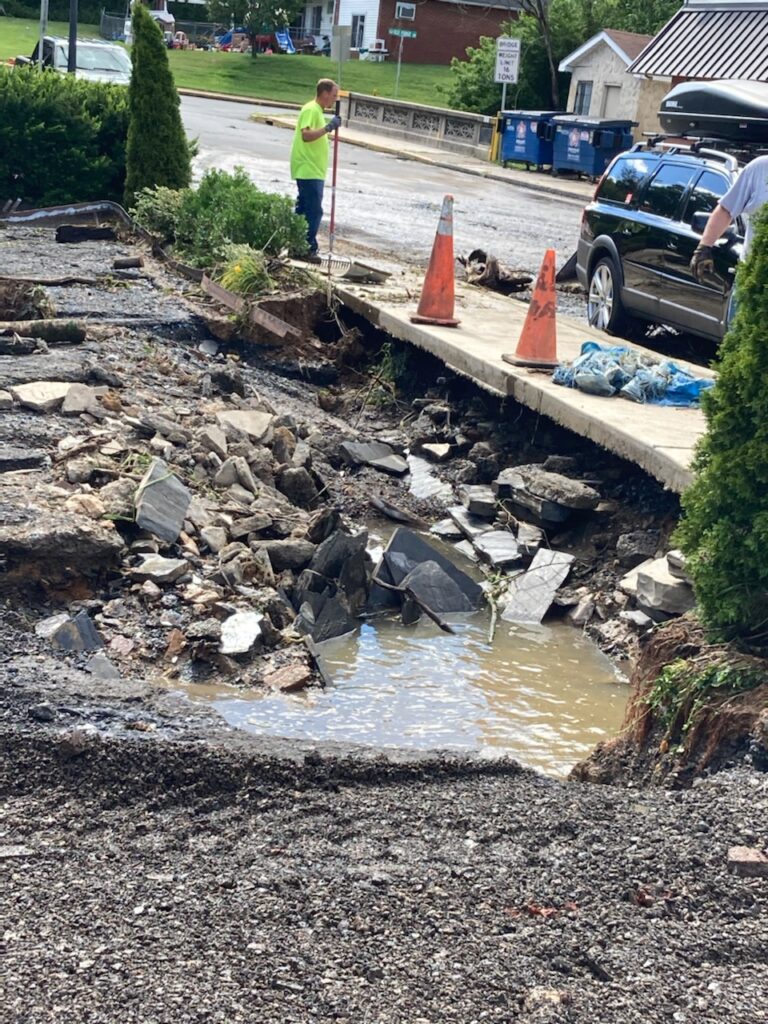

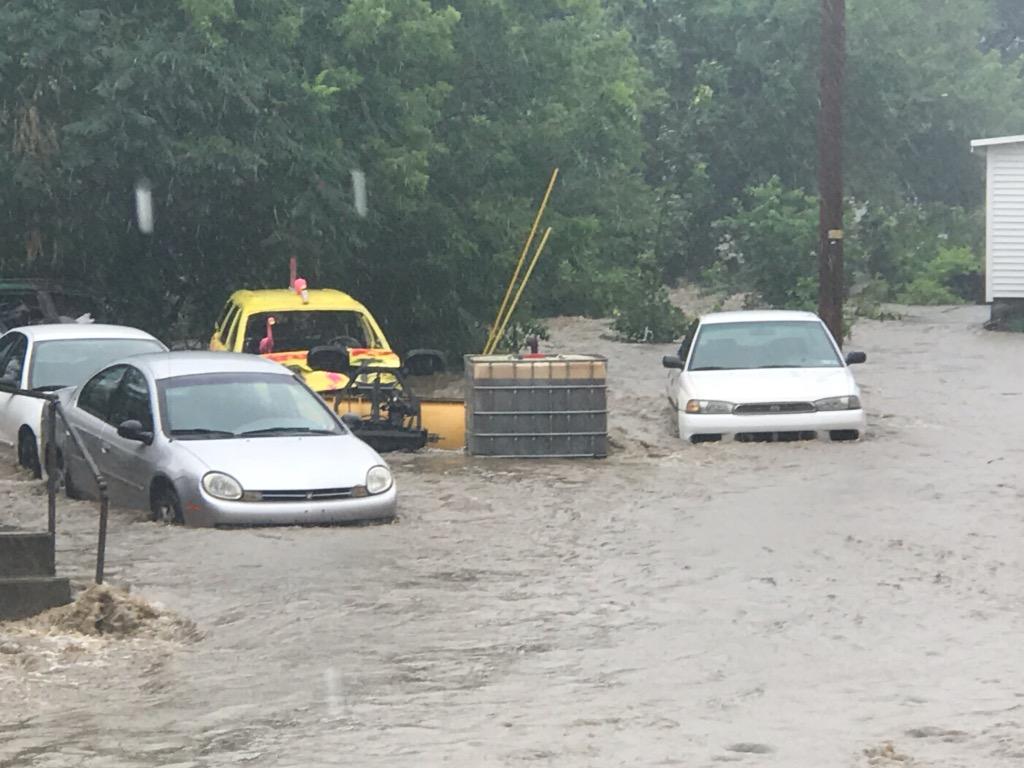
What does NFIP Insurance Cover?
| BUILDING COVERAGE | CONTENTS COVERAGE | ITEMS NOT COVERED BY BUILDING OR CONTENTS | COMMON FLOOD INSURANCE MYTHS |
| – Electrical and plumbing systems – Furnaces and water heaters – Refrigerators, cooking stoves, and built-in appliances like dishwashers – Permanently installed carpeting – Permanently installed cabinets, paneling, and bookcases – Window blinds – Foundation walls, anchorage systems, and staircases – Detached garages – Fuel tanks, well water tanks, pumps, and solar energy equipment | – Personal belongings such as clothing, furniture, and electronic equipment – Curtains – Washer and dryer – Portable and window air conditioners – Microwave oven – Carpets not included in building coverage (e.g., carpet installed over wood floors) – Valuable items such as original artwork and furs (up to $2,500) | – Temporary housing and additional living expenses incurred while the building is being repaired or is unable to be occupied – Property outside of an insured building. For example, landscaping, wells, septic systems, decks and patios, fences, seawalls, hot tubs, and swimming pools – Financial losses caused by business interruption – Currency, precious metals, stock certificates and other valuable papers – Cars and most self-propelled vehicles, including their parts – Personal property kept in basements | – You can’t buy (or you only need) flood insurance if you are located in a high-risk flood area – Homeowner’s insurance policies cover flooding (Not unless you purchased a separate rider) – You can’t buy flood insurance if your property has been flooded – Flood insurance can only be purchased through the NFIP directly – The NFIP does not offer any basement coverage – Flood insurance is only available for homeowners (renters can buy contents policies) – You can purchase flood insurance immediately before or during a flood – Federal disaster assistance will automatically pay for flood damage. (Average payout is $4,500) |
The NFIP is a federal program created by Congress to mitigate future flood losses across the country. The program enacts and enforces floodplain management regulations and provides access to government-backed flood insurance policies for property owners and renters.
DID YOU KNOW? Bath has 24 parcels of land that directly intersect with Monocacy Creek. Bath has 167 total parcels of land within 150 feet of the Monocacy Creek Floodway.
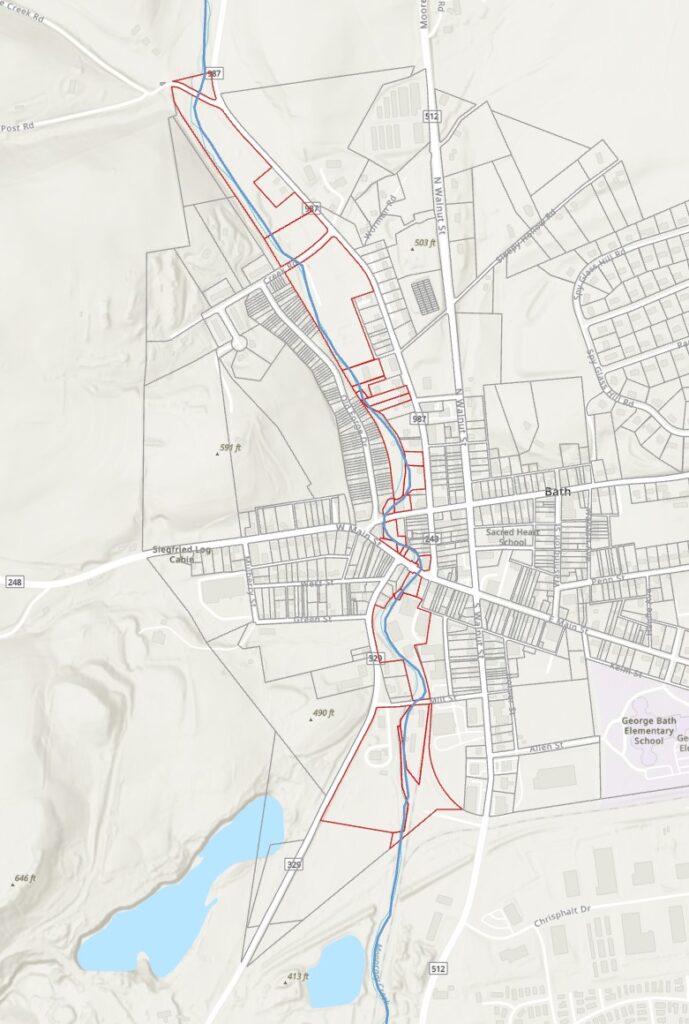
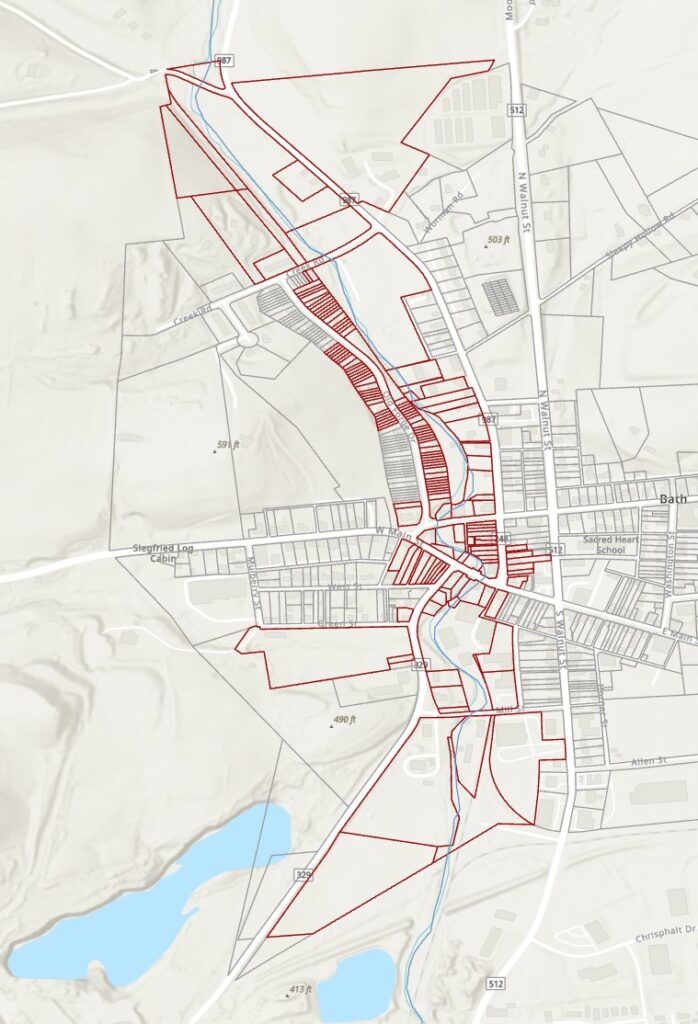
For more information on NFIP see the documents and brochures below.
Questions & Answers About NFIP?
After a Flooding Event: Information to Start YOUR Recovery
FLOOD ADVOCATES
STARTING A FLOOD INSURANCE CLAIM
RECOVERY FACT SHEET
RECOVERING FINANCIALLY AFTER THE FLOOD
Flood Safety Toolkit
Wind versus Flood Damage Fact Sheet
General Information
Bath Flood of July 9, 1945
HISTORY TELLS US, IT’S NOT A MATTER IF BATH WILL FLOOD AGAIN…IT’S A MATTER OF WHEN…
PREPARE NOW, WELL BEFORE THE NEXT STORM!